

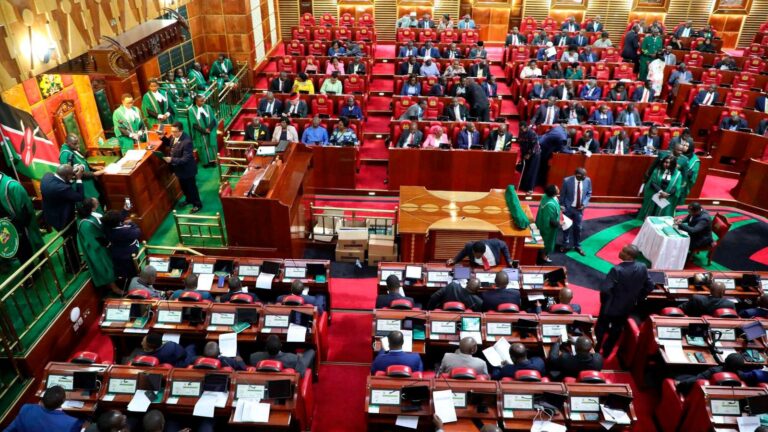
Members of Parliament have reignited a crucial debate on the criteria used to pay teachers’ hardship allowances, urging the Ministry of Education to urgently review the policy.
In a formal document submitted to the Ministry, lawmakers highlighted persistent inequalities in how hardship allowances are allocated. They argue that a thorough review, conducted in collaboration with the Teachers Service Commission (TSC), would help close staffing gaps, reduce teacher attrition, and improve retention in remote and underserved regions.
The MPs emphasized that current classifications often fail to reflect the real challenges teachers face, such as poor infrastructure, insecurity, limited access to services, and harsh living conditions in many arid, semi-arid, and marginalized areas across Kenya.
“The Ministry of Education, in collaboration with the Teachers Service Commission, addresses staffing gaps by accelerating recruitment, rationalisation, and deployment of teachers, while reviewing hardship allowance policies to reduce inequities and staff attrition in disadvantaged regions,” the document states.
This push comes amid ongoing concerns from teachers’ unions like KNUT and KUPPET, who have long called for fairer zones and higher compensation to motivate educators in tough postings. In recent years, proposals to reclassify or cut allowances in some areas sparked protests, court cases, and suspensions of changes, showing how sensitive the issue is.
For Kenyan parents and students in rural counties like Turkana, Marsabit, Samburu, and parts of the Coast or North Eastern, better teacher motivation through equitable allowances means more stable classrooms, reduced absenteeism, and improved learning outcomes.
Lawmakers believe these reforms would strengthen education equity nationwide, ensuring no child is left behind due to teacher shortages in hard-to-staff areas.
As the Ministry considers the proposals, this move underscores Parliament’s role in advocating for teachers’ welfare and addressing systemic gaps in Kenya’s education sector.